


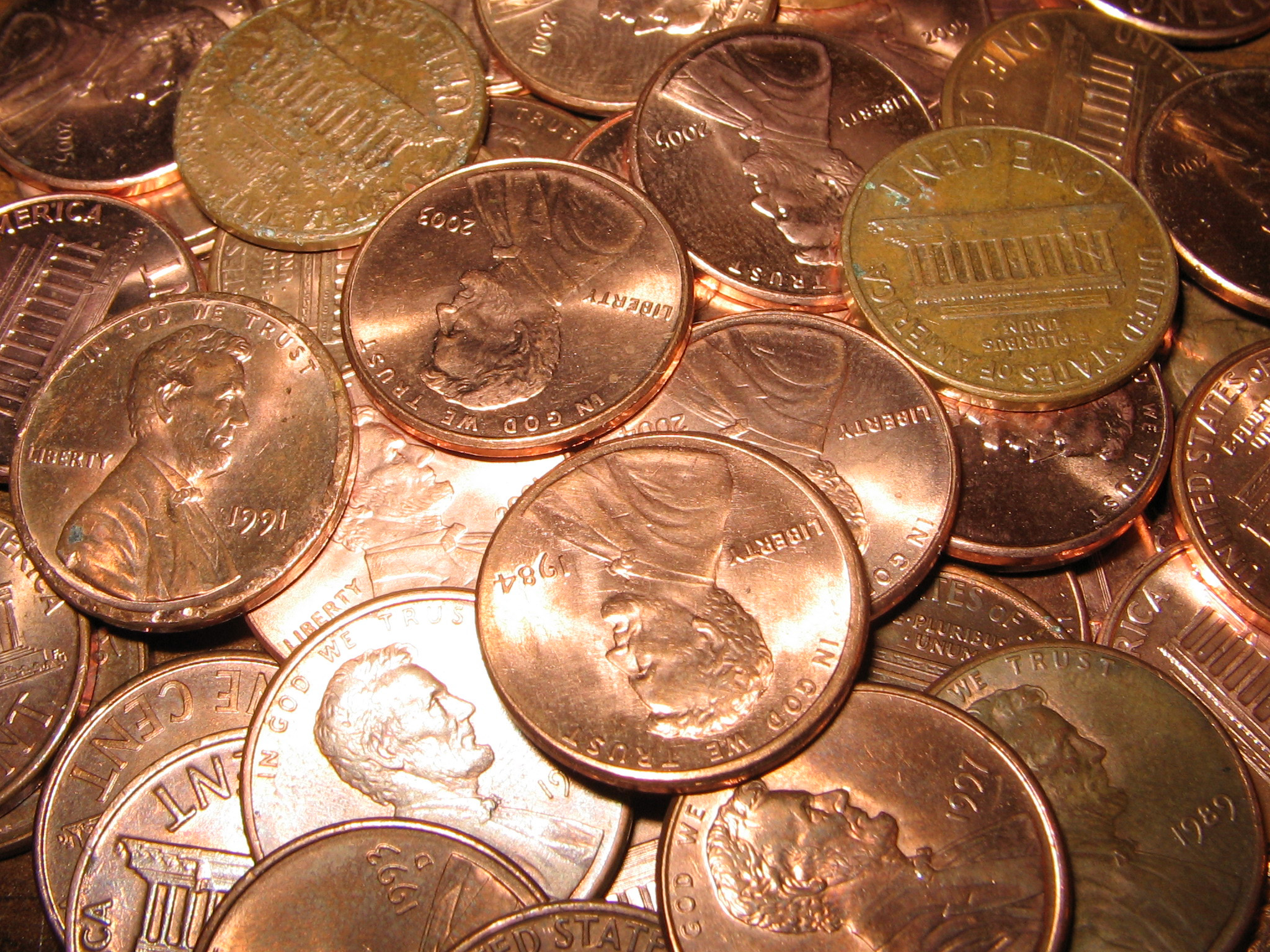
The U.S. Mint announced it will stop producing pennies in 2026, but that doesn't mean the billions already in circulation are suddenly useless. They're sitting in cup holders, junk drawers, and coin jars across the country, and most of them haven't done anything useful in years. That's a waste, especially for anyone who'd rather solve a small home problem with what's already on hand than make a trip to the hardware store.
Pennies work surprisingly well for certain household fixes because of a few physical traits that don't get enough credit. They're thin and uniform, each one measuring exactly 1.52 millimeters thick, which makes them reliable for shimming and measuring. They're light enough not to cause damage, and they're flat enough to slip into tight spaces. Those traits make them genuinely useful for specific jobs around the house.
That said, not all penny tricks are created equal. Some are straightforward and practical, the kind you'll use more than once. Others depend on the coin's copper content, which means they only work with older pennies minted before 1982. Back then, pennies were about 95% copper. Since 1982, they've been mostly zinc with a thin copper coating, which changes what they can and can't do.
This guide starts with the most reliable and widely applicable uses first, then works toward the more situational ones. A few of the older tricks come with caveats worth knowing before you try them, and there's a section at the end to help you decide when a penny fix makes sense and when it doesn't.
🟤 Keep a Penny in the Car for a Quick Tire Check
The penny tire tread test is one of the most practical things a coin can do, and it costs nothing. Hold a penny with Lincoln's head pointing down and slide it into one of the grooves on your tire tread. If you can see the top of Lincoln's head, your tread depth has dropped below 2/32 of an inch, which is the point where most safety experts say tires need replacing.
One groove isn't enough to go by, though. Tires wear unevenly depending on alignment, driving habits, and inflation levels, so test several grooves across each tire and check more than one tire while you're at it. A spot that passes on the center tread might fail on the outer edge, and that uneven wear tells you something useful about how the car is being maintained.
This test works best as a monthly habit, and it's especially worth doing before a long road trip or heading into wet or winter weather. Worn tread loses grip fast on slick roads, and the penny check takes about two minutes.
One thing to be clear about here is that a penny is a measuring tool in this context, not a repair solution. If the tread is low, the only real answer is new tires. The penny just tells you it's time to have that conversation with your mechanic.
🟤 Stop a Wobbly Chair or Table in Seconds
A single penny slipped under a short furniture leg can stop a wobble that's been annoying you for months. Because every penny is exactly the same thickness, they're more reliable than folded paper or cardboard, which compress over time and lose their effect.
For a slight height difference, one penny is often enough. If the gap is bigger, stacking two or three pennies works fine, though at that point it's worth taping or gluing them together so they don't shift when the furniture moves. Pairing the stack with a felt furniture pad on top keeps things stable and protects the floor at the same time.
This fix is especially practical for chairs and side tables on tile or hardwood, where even a small wobble is obvious and annoying. The hard surface gives you no forgiveness, so the penny shim does the work instead.
Where this doesn't hold up as well is with heavier pieces or furniture that has an actually damaged leg. A penny can compensate for a floor that's slightly uneven or a leg that's fractionally shorter than the others, but it won't fix a leg that's cracked, warped, or structurally compromised. For those situations, the wobble is a symptom of a bigger problem that shimming won't solve.
🟤 Help Light Curtains Hang Straighter
Lightweight curtain panels near air vents, drafty windows, or exterior doors have a tendency to billow, twist, and generally do whatever they want. A few pennies tucked into the bottom hem add just enough weight to keep the fabric hanging straight without changing how the curtains look from the front.
This works best for sheers, café curtains, and narrow side panels. Heavy drapes already have enough weight to hang properly, so they don't need the help. The thinner and lighter the fabric, the more a small amount of added weight makes a difference.
Before committing to anything permanent, test it with tape first. Tape a penny or two to the inside of the bottom hem and live with it for a day. If the curtains hang better and the weight feels right, then sew or stitch the coins in securely. Loose coins inside washable fabric are a problem waiting to happen, both for the washing machine and the curtain itself, so make sure they're fixed in place before the panels go through a wash cycle.
Spacing matters too. One penny at the center of a narrow panel might be enough, but wider panels hang better with coins placed at intervals across the hem rather than clustered in one spot.
🟤 Use a Penny to Track Down Ceiling Fan Wobble
Before taping anything to a ceiling fan blade, it's worth ruling out the simpler causes first. Dust buildup on the blades adds uneven weight over time, and loose screws at the blade brackets or the motor housing can cause wobble that has nothing to do with balance. Clean the blades and tighten every visible screw before moving on.
If the wobble continues after that, a penny can help you figure out which blade is the problem. Tape a penny to the top of one blade, near the tip, and run the fan. If the wobble gets better, that blade was likely the lighter one throwing things off. If it gets worse or stays the same, move the penny to the next blade and repeat the process.
This method won't fix the imbalance permanently, but it tells you where the problem is before you spend money on a ceiling fan balancing kit. Most balancing kits, like the ones made by Hunter or Westinghouse, include small clip-on weights designed to stay in place long-term. The penny is just a diagnostic step that saves you from guessing.
Once you've identified the problem blade, remove the penny and use the proper balancing clip instead. A coin taped to a spinning blade isn't a long-term solution, and the tape will eventually give out.
🟤 Lift Carpet Dents Without Buying a Special Tool
Furniture legs left in the same spot for months press down carpet fibers until they stay flat on their own. Moving a sofa or bookcase reveals those dents, and they look worse than they actually are. The fibers aren't damaged, just compressed, and they can usually be coaxed back up with a little patience.
Start by placing an ice cube directly on the dent and letting it melt slowly. The moisture softens the fibers and makes them more responsive. Once the area is damp, use the edge of a penny to gently lift and separate the flattened fibers, working from the outside of the dent toward the center. A fork works too, but the coin's edge gives you more control in a small area.
This approach works best on cut-pile carpets like plush or Saxony styles. Looped carpet, such as Berber, is more delicate and can snag if you're too aggressive with the edge of a coin, so go slowly and use light pressure if you're working on that type.
The dent may not fully disappear after one round. Letting the area dry completely and then repeating the process a second time usually gets better results. For shallow dents from chair legs or small tables, this method handles the job without any special tools or products.
🟤 Try Older Copper Pennies for Water and Plant Jobs
Some penny uses depend entirely on the coin being mostly copper, which means the year on the coin actually matters. Pre-1982 pennies were made from about 95% copper. Starting in 1982, the composition shifted to 97.5% zinc with a thin copper plating, making newer pennies essentially useless for anything that relies on copper's properties.
Two traditional uses fall into this category. The first is adding a pre-1982 penny to a vase of cut flowers. Copper has mild antimicrobial properties, and the idea is that it slows bacterial growth in the water, which can help flowers last a bit longer. The effect is modest and works better when combined with changing the water regularly and trimming the stems. It's not a dramatic difference, but it's a low-effort addition if you happen to have an older penny nearby.
The second use is dropping a copper penny into a bird bath. The same antimicrobial logic applies. A small amount of copper can slow algae and bacterial growth, which means slightly cleaner water between cleanings. Again, this isn't a substitute for scrubbing the basin regularly, it's more of a supplementary measure.
Neither of these uses is the strongest trick in this article, which is why they appear here rather than at the top. They're worth trying if you have older pennies on hand, but they shouldn't be the reason you go hunting through your coin jar.
🟤 Know When a Penny Hack Is Worth Trying
Penny fixes make the most sense in three situations: when you need a quick temporary solution, when you're testing something before buying a proper tool, and when the problem is minor enough that a low-effort fix is genuinely sufficient. Shimming a wobbly breakfast table, weighting a sheer curtain, or diagnosing a fan imbalance all fit that description.
Where penny hacks fall short is when the underlying problem is structural or safety-related. A furniture leg that's cracked needs repair, not shimming. A ceiling fan that wobbles after balancing may have a motor or mounting issue that a coin can't diagnose. Tires with low tread need replacement, not monitoring. In those cases, the penny gets you to the answer faster, but the answer itself requires something more.
It's also worth keeping the copper distinction in mind when grabbing coins for a specific job. Any penny works for shimming, weighting, balancing tests, and tread checks. Only pre-1982 pennies are relevant for flower water and bird bath uses. Mixing those up doesn't cause harm, but it does mean you might not get the result you were expecting.
Pennies are best treated as stopgap tools and diagnostic aids, not permanent solutions. That framing keeps the expectations realistic and makes each use more effective because you're applying it for the right reason.
🟤 Final Thoughts
A penny doesn't buy much these days, but it turns out it can do quite a bit around the house. The five most practical uses covered here are tire tread checks, furniture shimming, curtain weighting, ceiling fan diagnostics, and carpet fiber restoration. Each one works because of specific physical traits the coin has, not because of any kind of folk wisdom.
Older copper pennies belong in their own category. Their value for flower water and bird bath care comes from copper's antimicrobial properties, which newer zinc-based pennies simply don't offer in the same way. Sorting your coins by year takes about two minutes and makes sure you're reaching for the right one.
Keeping a few pennies in a kitchen drawer or a small dish near the door costs nothing and takes up almost no space. The next time a chair rocks, a curtain billows, or a fan starts wobbling, you'll already have what you need to at least start solving the problem.
Copyright Notice
© 2026 Peak Realty. All rights reserved.
This blog post was created exclusively by Peak Realty. We welcome sharing a link to this post, but the content may not be copied, reproduced, republished, distributed, or used in whole or in part without the prior written permission of Peak Realty.
Thank you for respecting the time and research that go into producing our blog content.
Check out this article next